Most people walk into interviews thinking they need the perfect script. But if you watch how actual hiring managers talk about candidates, you’ll notice something else: they’re not looking for rehearsed answers, they’re looking for proof. Proof of how you think, how you behave under stress, how you recover from mistakes, how you deal with people who don’t agree with you, and whether you genuinely understand the job you’re walking into.
That’s why behavioral interview questions feel different. They skip the surface-level “Tell me your strengths” and go straight into:
“Show me how you’ve handled this in real life.”
This guide breaks down how these questions actually work, what interviewers secretly look for, why candidates fail even when their stories sound impressive, and the exact way to answer them without sounding robotic or overly polished. Think of this as the handbook people wish they had before their interviews, the kind that gets bookmarked and re-read because it actually changes how you prepare.
Why Behavioral Questions Matter More Than Ever
In the last few years, companies have started relying heavily on behavioral interviewing because job roles have become more collaborative, cross-functional, and unpredictable. A candidate who can memorize facts might ace a technical question, but a candidate who can stay calm when everything is falling apart is the one who survives the real job.
Hiring managers also like behavioral questions because they remove guesswork. If you have a track record of stepping up when things get messy, they expect you’ll do the same in their team. It’s the closest thing to predicting future behavior without actually seeing you work.
And with AI screening, automated shortlisting, and even things like a 60 minutes robot interview creeping into the hiring process, behavioral stories now do the heavy lifting of showing your personality and judgment in ways a résumé never can.
The Real Reason Candidates Struggle
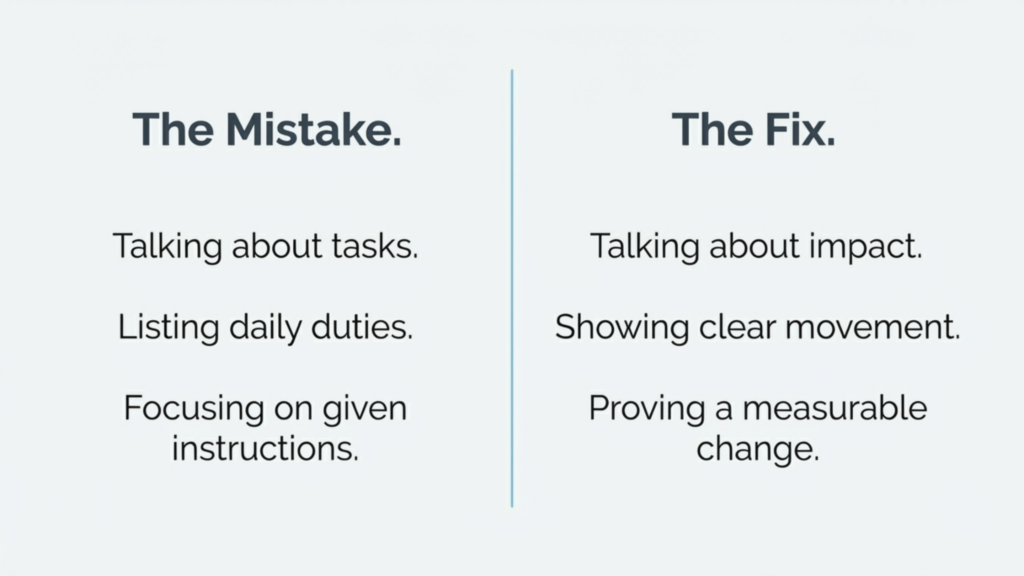
Most people fail behavioral interviews for one simple reason: they talk about tasks instead of impact. They say:
“I handled customer inquiries and supported the team.”
But interviewers are thinking:
Did you fix anything? Improve anything? Change anything? Learn anything?
Behavioral stories must show movement, a challenge, an action, a turning point, and an outcome that proves you’re not just following instructions but contributing in a measurable or meaningful way.
Once you understand that, everything becomes easier.
How to Answer Any Behavioral Question (Without Sounding Scripted)
People obsess over frameworks. STAR, CAR, PAR, they all work, but candidates often sound unnatural because they follow the structure too stiffly.
A better approach is this:
- Set the scene quickly
- Explain the friction or challenge
- Share what you actually did, decisions, not duties
- End with a concrete result or personal lesson
Think of it as telling a short story where you are the main character, making a real choice under pressure.
This is also the most natural way to respond when you’re nervous; you talk like a human, not a rehearsed script. It aligns well with behavioral based interview questions and answers the way hiring managers expect them today.
The Behavioral Questions You Will Definitely Get
Below are the most commonly asked behavioral questions, but explained the way real interviewers think and followed by polished, natural answers you can adapt.
1. “Tell me about a time you had to work with someone difficult.”
Why they ask: They want emotional maturity, not gossip or blame.
Strong Answer:
“In my last group project, one teammate often dismissed ideas quickly. Instead of reacting, I asked if we could walk through the reasoning behind each suggestion before voting. This shifted the tone from personal preference to shared criteria. He became more receptive because the process felt fair, and we ended up combining our ideas into a solution that performed better than either of us initially proposed. It taught me that structure often solves personality conflicts.”
2. “Tell me about a mistake you made and how you handled it.”
Why they ask: They want self-awareness, not perfection.
Strong Answer:
“I once sent an incomplete report to a client because I relied on an automated export that had outdated fields. As soon as I realized it, I informed my manager, corrected the report, and built a short checklist to ensure the export matched client requirements. It was a small error, but taking ownership quickly helped rebuild trust, and the checklist is still used by the team. It taught me that a five-minute preventive step saves hours of damage control.”
3. “Describe a time you had to solve a problem without clear guidance.”
Why they ask: They want independent thinking.
Strong Answer:
“When our vendor system went down before a deadline, there was no documented backup. I listed the manual steps the team had taken before automation, divided them across three people, and created a shared tracker. We finished on time, and afterward, I documented the temporary workflow so we’d never be caught unprepared again. That experience helped me understand how to stay composed even when the playbook is missing.”
4. “Tell me about a time you managed multiple deadlines.”
Why they ask: They want prioritization, not speed.
Strong Answer:
“In my last semester, I had two major papers, a part-time job, and tutoring commitments. I ranked tasks by urgency and weight, then blocked time for deep work instead of context switching. I submitted both papers early and kept my commitments without burning out. That system helped me stay consistent even during peak stress.”
5. “Tell me about a conflict you resolved within a team.”
Why they ask: They want someone who stabilizes teams, not escalates them.
Strong Answer:
“In a previous role, two team members had opposing views on which metrics to track. I suggested running a one-week test using both sets of metrics to see which aligned better with our goals. The data made the decision objective, and the team moved forward without lingering tension. I’ve found that neutral ground often comes from making the issue measurable.”
The Behavioral Questions No One Warns You About (But You Will Face)
Alongside the classics, interviewers now ask deeper questions to test adaptability, especially in remote and hybrid environments.
6. “Tell me about a time you taught yourself something quickly.”
This reveals your learning mindset crucial in fast-changing roles.
7. “Tell me about a time you disagreed with a manager.”
They’re checking whether you can push back respectfully.
8. “Tell me about a time you changed someone’s mind.”
This measures influence, not authority.
Each of these requires the same core approach: honesty, tension, decision, and impact.
If you want all of them packaged together, click here for behavioral interview questions and answers PDF, but for now, let’s keep going deeper.
What Interviewers Secretly Judge While You Talk
People assume hiring managers only judge the story. In reality, they’re observing five hidden signals:
- Do you reflect or deflect?
Owning mistakes is a major trust indicator. - Do you sound rehearsed?
Overly polished answers feel fake. - Do you talk about “we” or “I” at the right moments?
“We” for collaboration, “I” for actions you led. - Do you understand the role enough to choose relevant examples?
Random stories feel like filler. - Can you explain your thinking clearly?
Clarity equals competence during high-pressure moments.
These signals matter even more when interviews are short, remote, or structured, like during a 2nd job interview, a screening call, or even a high-stakes panel.
Common Behavioral Questions You Should Absolutely Prepare For
Here are themes that show up in nearly every industry:
- Handling pressure
- Adapting to change
- Receiving feedback
- Leading without authority
- Failing gracefully
- Working with limited information
- Supporting a struggling teammate
- Managing expectations
- Improving a process
If you prepare at least two stories for each theme, you can answer almost any behavioral question smoothly. This works whether you’re facing a senior manager, an automated initial round like an AI robot interview, or preparing for a teaching-specific discussion where interview questions and answers for a teacher require calm, empathetic examples.
How to Answer “Tell Me About Yourself” in a Behavioral Way
People freeze at this because they ramble. The best approach is a short narrative arc:
- Who you are
- What shaped your work style
- What kind of challenges energize you
- Why this role fits your direction
This approach is natural, personal, and frames your interview energy right away. If you’ve ever wondered how do you answer tell me about yourself interview question, this method works in every industry.
Red Flags Interviewers Notice Instantly
These usually cost candidates the job without them realizing it:
- Talking too much about personal conflicts
- Speaking vaguely about outcomes
- Blaming coworkers
- Overusing corporate buzzwords
- Memorizing stories word-for-word
- Reusing one example for every question
- Not showing growth between earlier and later examples
Interviewers care far more about authenticity and judgment than perfection.
A Quick List of Questions Managers Love Asking
These come up often because they reveal depth:
- “Tell me about a time you made someone else’s work easier.”
- “Tell me about a time you took initiative without being asked.”
- “Tell me about a time you improved a process.”
- “Tell me about a time you influenced a decision.”
- “Tell me about a time something didn’t go your way.”
- “Tell me about a time you handled incomplete information.”
If you’re preparing for academic roles, you may even face interview professor questions, which focus on mentorship, conflict resolution, and long-term impact rather than only research.
How to Prepare Without Feeling Overwhelmed
Instead of memorizing 20 stories, build a “story bank,” a simple list of moments from your academic, personal, or work life that show your ability to think, adapt, and collaborate.
Each story can be reshaped into answers for multiple questions. This method also helps when you’re scheduling follow-ups and worried about things like receiving 1 week after interview no response, which is common and rarely personal.
Free behavioral interview questions and answers PDF
Final Thoughts: Behavioral Interviews Aren’t Tests, They’re Conversations About Your Judgment
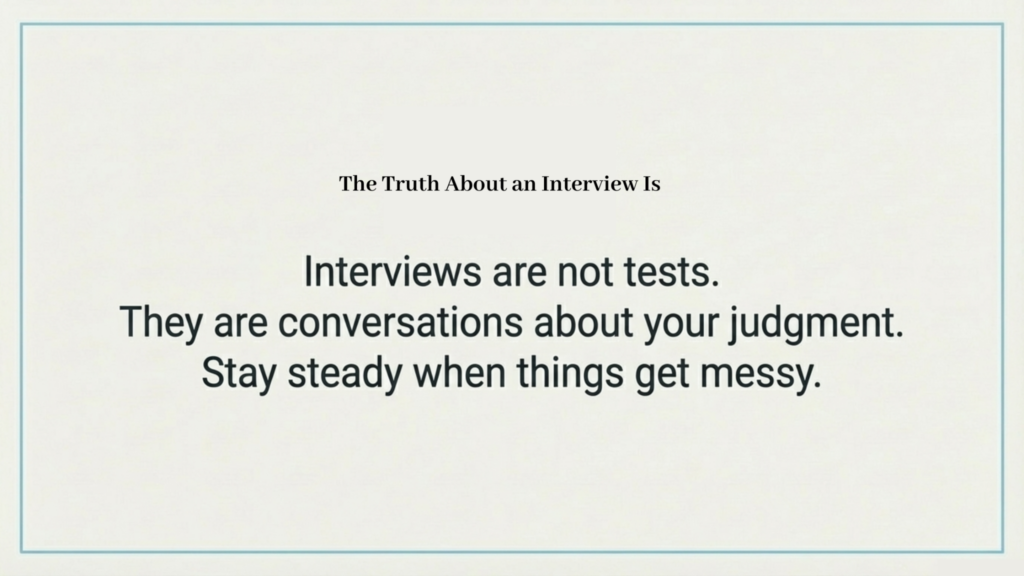
The truth is, behavioral interviews aren’t about memorizing answers or sounding perfect. They’re about proving you can stay steady when things get messy, navigate different personalities, and make decisions that move work forward.
If you choose stories where you grew, adapted, or made real decisions, interviewers will notice. And if you use the insights from this guide, you won’t just answer behavioral questions, you’ll stand out because almost no one puts this level of thought into how they prepare.
And if you ever switch seats and need to evaluate talent yourself, this foundation will also help you craft the best interview questions to ask candidates, because you’ll understand exactly which behaviors matter in real jobs. (cluster linking)
Frequently Asked Questions
What exactly are behavioral interview questions?
They ask you to show how you’ve handled real‑life situations, not what you’d say you’d do, so hiring managers can predict how you’ll behave on the job.
Why do companies care more about behavioral questions now?
Roles are less about isolated tasks and more about adaptability, collaboration, and judgment under pressure; behavioral stories reveal how you react when things get messy, not just what you know.
How is a behavioral answer different from a normal interview answer?
A normal answer describes your skills; a behavioral answer walks the interviewer through a specific situation, your choice, and the real outcome, proving you can turn awareness into action.