Every year, hundreds of thousands of students look for flexible work they can do between classes, internships, and campus life. But the landscape has changed. Remote work is no longer a bonus for many employers; it is the default. And for students, it has become a bridge to real career experience, not just quick money. If you search for remote jobs for college students, you will see endless lists: virtual assistant, tutor, social media intern, and data entry. Yet most of those lists are written by people who haven’t actually seen how students get hired today.
This guide is different. It’s built from real situations, students talk about their struggles, the roles that actually hire beginners, and the skills companies genuinely look for now. Think of this as the version students save for later because it’s practical and based on real outcomes, not random recommendations.
Why Remote Work Fits College Life Better Than Part-Time Campus Jobs
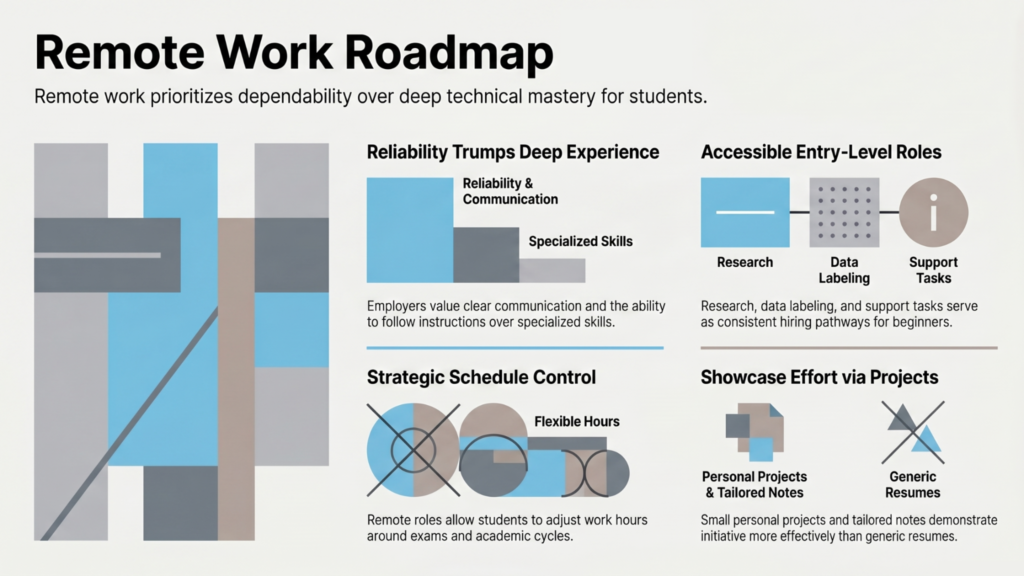
Remote work gives students control over time, which is the number-one reason students choose it over on-site roles. A campus job follows campus hours. A remote job follows your hours. You can work before an exam week, rest after finals, or shift your schedule without explaining your life to a supervisor who barely sees you.
Remote work also builds skills that matter beyond school: writing in a professional tone, documenting work, meeting deadlines without supervision, learning new tools quickly, and presenting results clearly. These skills are things that employers say separate strong entry-level applicants from everyone else.
Another advantage is access. Students who live in smaller towns or who lack transportation suddenly have the same chances as those in big cities. Remote work levels the field for first-generation students, international students, and those balancing family responsibilities.
This is why even younger workers, like teens, search for remote jobs for high school students. Early exposure to remote work gives them a head start.
What Employers Actually Want When Hiring Students (Based on Real Hiring Conversations)
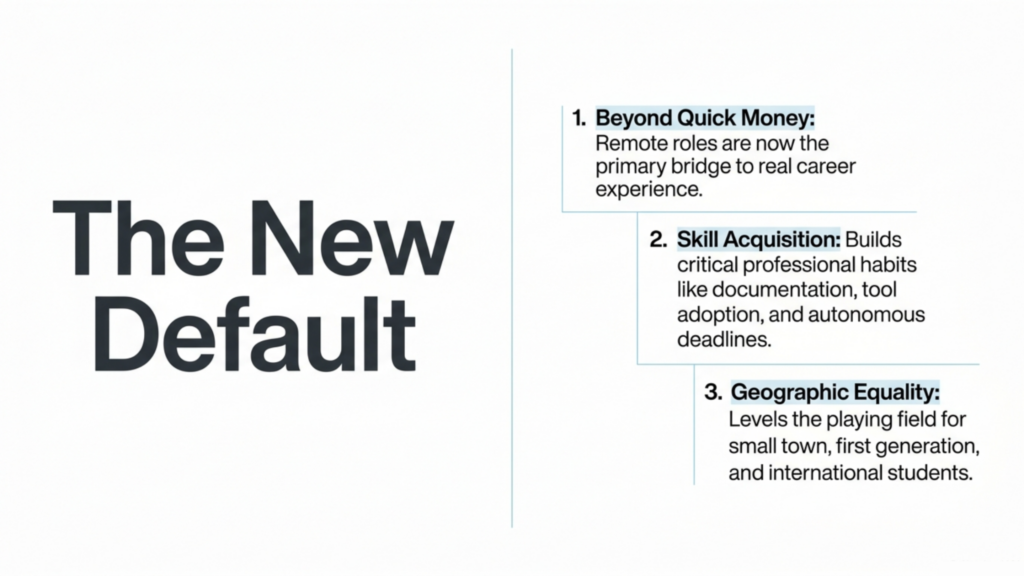
Most companies hiring students, especially for remote roles, are not asking for deep experience. They want reliability, communication, and the ability to pick things up fast. That’s why so many roles fall into categories with repetitive but important tasks: research, support, data work, scheduling, outreach, and content moderation.
Managers care about three things:
1. Can you communicate clearly without being chased?
College students often underestimate how rare this is. Employers value someone who replies to emails, updates progress, and asks for clarity early instead of going silent until the deadline.
2. Can you follow instructions the first time?
Remote teams don’t have the time to explain the same thing multiple times. Students who can read a process document, follow it, and ask smart questions stand out immediately.
3. Do you show interest in learning the tools they already use?
Most student-friendly companies use tools like Notion, Slack, Google Workspace, Zoom, or simple CRM systems. You don’t need mastery, just comfort with learning.
When you understand this, remote jobs for college students with no experience start feeling more reachable. Companies aren’t expecting mastery; they’re expecting effort, curiosity, and dependability.
The Jobs Students Actually Get Hired For (Based On Patterns That Repeat)
You’ll see many job titles online, but these are the roles students consistently land, the ones hiring managers repeatedly choose beginners for.
1. Research Assistant (remote)
Companies love student researchers because students know how to dig for information, organize it, and present it in a clean format. If you can summarize data, fact-check, and read quickly, this role is perfect.
2. Social Media Content Helper
Not glamorous, but real. Students help with comment moderation, drafting captions, finding trends, editing short videos, and tracking performance. You don’t need to be an influencer; you just need good judgment and writing.
3. Customer Support (email or chat)
Companies often hire students for early-morning or late-evening shifts. These roles teach patience, communication, and problem-solving, all valuable for future full-time roles.
4. Virtual Assistant Work
These roles often include scheduling, inbox cleaning, small admin tasks, organizing notes, or formatting documents. Students with good attention to detail do surprisingly well here.
5. Junior Data or Content Labeling Work
AI companies hire students to label images, tag content, review transcripts, or categorize text. This is predictable work that fits well between classes.
6. Writing, Editing, and Transcription
If your writing is clear and your typing is fast, these roles are beginner-friendly.
These are not glamorous jobs, but they are real, and they lead somewhere. And for students who want easier tasks while studying, these categories often include the easy remote jobs for college students that people search for.
The Roles That Lead to Long-Term Career Paths
Some remote jobs give students more than money; they open doors to real careers.
1. Entry-level marketing and content roles
You’ll learn tools like Canva, Google Analytics, keyword research basics, and social media planning. These are powerful entry points to digital marketing careers.
2. Junior data or business analyst tasks
Even if you start small, cleaning spreadsheets, labeling data, or running simple reports, you enter a fast-growing field that pays well.
3. Operations support
These roles teach students how teams run behind the scenes. If you’re detail-oriented, operations roles create stable pathways into project management later.
4. Junior product or UX tasks
Start with simple tasks like gathering user feedback or doing competitor research. Over time, you can build a portfolio.
These are often seen as the best remote jobs for college students, especially those who want real career options after graduation.
How to Stand Out Even if You Have Zero Experience
Here’s the truth hiring managers keep repeating: “You don’t need experience, you need examples of effort. A small portfolio can make a huge difference.”
Students who get hired usually do at least one of these:
- They show a small project they did on their own (like analyzing a dataset or redesigning a simple graphic).
- They write a short note about why they’re interested in the role, not a generic cover letter.
- They demonstrate familiarity with the company’s product and mention it briefly in their application.
- They attach a short, neat resume with 3–4 specific achievements, not paragraphs of text. If you don’t already have a clean way to do this, tools like CloudHire can help structure your resume around outcomes instead of responsibilities so you’re not rewriting from scratch every time.
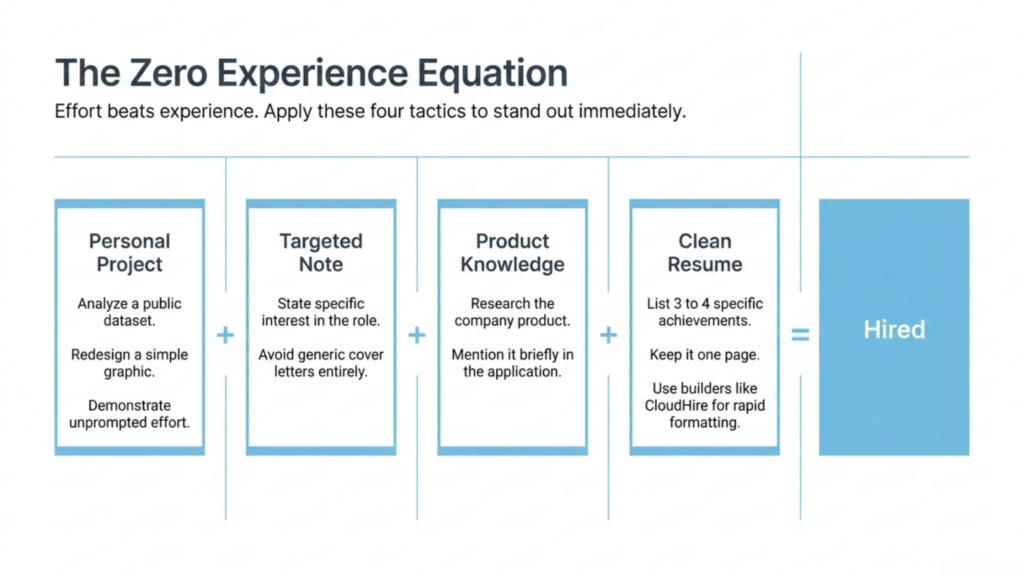
And yes, this applies even to online remote jobs for college students where competition seems higher, effort beats experience.
The Best Way to Find Roles That Hire Quickly
Students who land roles fastest usually use a mix of:
- Niche job boards that publish early-career or junior roles
- LinkedIn filters (experience level: internship, entry level, or associate)
- University Career Centers
- Online communities where companies post small or hourly tasks
- Personal referrals from classmates, tutors, TAs, and campus clubs
- Platforms like CloudHire that focus on better matching and structured applications, not just more volume
The last one is underrated. Students rarely realize how much their school network matters. One recommendation from a TA or professor can lead to your first role faster than 20 applications.
Part-Time Flexibility: What Employers Expect
Companies hiring for remote part time jobs for college students generally look for:
- 10–20 hours per week availability
- Consistent communication
- Ability to work independently
- Some overlap with the team’s timezone
If you manage expectations early, you’ll always be seen as reliable.
Roles in this category are often the best remote part time jobs for college students because they:
- Don’t require constant supervision
- Allow weekend or evening hours
- Offer project-based work that fits academic schedules
Seasonal Opportunities: Summer, Breaks, and Internships
Many companies hire students for short-term projects during summer or holiday periods because work volume spikes. These roles include support, research, content moderation, and outreach, the most common remote summer jobs for college students.
Summer remote work is especially useful because:
- You can manage more hours
- Companies feel comfortable giving students bigger tasks
- You build experience faster
- You get exposure to tools you can use during the academic year
This is often where students transition into longer-term college student remote jobs for the rest of the year.
What Counts as an “Entry-Level Remote Job” Today?
Many companies now classify junior freelance tasks, assistant roles, project-based assignments, and data work as entry level remote jobs for college students. These roles do not require formal experience; they require a willingness to learn and consistency.
If a job description sounds intimidating, remember companies often write descriptions based on their “ideal”, not their realistic hiring condition. Students get hired with partial skills all the time.
Final Guidance: Treat Your Student Years as a Low-Risk Experiment Lab
Remote work gives students room to experiment with fields before committing to a career. Try marketing one semester, operations the next, research after that. You’re not choosing for life, you’re exploring your strengths.
Whether you’re looking for a remote job for college students, a part-time commitment, or a stepping stone into your industry, the real advantage is exposure. Remote work makes you sharper, more confident, and more prepared for full-time roles after graduation.
And one more thing: your first remote job doesn’t have to be perfect. It just has to be your start.
Frequently Asked Questions
Can college students get remote jobs?
Yes, college students land remote jobs like software QA testing, AI prompt engineering, no-code app building, data labeling, and tech support internships. Sites like LinkedIn list hundreds of paid positions at $15-30/hour for part-time QA, chatbot testing, or remote dev ops roles from companies like Amazon or startups.
How to make $1000 a month as a college student?
Hit $1000/month (about 10-15 hours/week) with tech side gigs: AI data annotation ($20-40/hour on Remotasks), freelance no-code tools like Bubble/Adalo ($25-50/project), or testing apps on UserTesting ($10-60/test).
How to make money online as a college student?
Find remote roles on platforms like CloudHire, where structured applications and better matching can improve your chances of getting noticed. Students also earn through tech-based work like app testing (UserTesting, $10–60/session), AI data tasks (Scale AI, $15–30/hr), prompt-based work, or open-source bounties. You can start through communities like Reddit r/forhire or LinkedIn. Many of these roles pay weekly and require only basic tech comfort.
What degree will allow me to work remotely?
Computer Science, Software Engineering, Data Science/Analytics, UX/UI Design, and Cybersecurity degrees lead to 80%+ remote tech roles like dev, QA, data annotation, or no-code automation. These open doors to high-remote fields: full-stack dev, AI ops, cloud support (AWS/Azure certs boost entry), with median remote salaries $70k-120k post-grad.